

SMILE, and the soft loan that pays part of your own contribution
Most machinery loans stop at the machine. This one has a second layer that sits under your own contribution, and that is the part worth understanding.
Summary
- The main facility is a term loan for plant and machinery, generally up to INR 1 crore, repayable over up to 60 months including the moratorium.
- Beneath it sits a soft loan that behaves like equity for three years and covers part of the contribution you are expected to bring.
- Equipment finance is a separate door, from an INR 10 lakh floor, over up to 72 months, on a contactless platform.
A manufacturer we worked with had a quote for a machine, a purchase order to justify it, and a bank that would not move. The bank was not saying no to the machine. It was saying no to a balance sheet that could not show the promoter contribution the appraisal wanted.
That gap is the reason SIDBI's Make in India soft loan fund exists in the shape it does. It lends for plant and machinery like any term lender, and it does one more thing underneath that, which is unusual enough to be worth a founder's attention. Both halves sit in our grants and schemes register.
What does the main term loan cover?
Investment in plant and machinery, bought from original equipment manufacturers. The facility is generally up to INR 1 crore, and larger amounts are considered against SIDBI's own guidelines.
Repayment runs up to 60 months, and that figure includes the moratorium rather than starting after it. A generous moratorium therefore shortens the paying period, which is the opposite of how most founders read it.
Who can borrow is tightly drawn. The current product page asks for an MSME in manufacturing or services, Udyam and GST registered. It wants three years in existence, a satisfactory financial position and no record of default. There is emphasis on the Make in India sectors and on smaller enterprises. No public interest rate is stated on that page, because the rate is set in your sanction.
One use-of-funds restriction catches people. You cannot use this money to repay an existing loan. It is for the asset, and the sanction is written around the asset.
How does the soft loan fill your equity gap?
The scheme does not just lend you the machine money. It lends you part of what the lender expects you to bring.
This is the component that makes SMILE different from an ordinary machinery loan. Alongside the term loan, the scheme can fund part of the promoter contribution itself, as quasi-.
- General case. Up to 10% of project cost, capped at INR 20 lakh.
- Units promoted by SC, ST, persons with disability or women, holding at least a 51% stake. Up to 15% of project cost, capped at INR 30 lakh.
The instrument is the interesting bit. For the first three years it counts as quasi-equity, and after that it converts into a secured term loan. So for the period when your balance sheet is thinnest, it sits on the side of the equation the appraisal is measuring.
Why that is not the same as a bigger loan is worth spelling out. A lender looks at two numbers: how much debt the project carries, and how much of the cost the promoter is funding. Borrowing more improves neither. This component improves the second one, which is usually what is actually blocking the file.
Two cautions. The figures above come from references describing the original 2015 design of the scheme, and SIDBI has since restructured its product pages. Ask your SIDBI branch whether the component still runs in this form and on these bands before you build a funding plan on it.
What is SMILE Equipment Finance for?
It is a separate component with its own application, and for many buyers it is the better door.
The floor is INR 10 lakh, and the maximum is capped but not publicly stated. Repayment runs up to 72 months including the moratorium, which is a year longer than the main scheme. The promoter contribution asked for is lower. It also funds movable fixed assets and need-based civil construction, not only the machine itself.
You apply for it separately, through SIDBI's contactless machinery loan platform, rather than as a variation of the main application. Appraisal still checks the three-year track record, the financial position and the equipment quotation behind the proposal.
How do the two doors compare?
The two SMILE doors, side by side
| SMILE term loan | SMILE Equipment Finance | |
|---|---|---|
| What it funds | Plant and machinery bought from original equipment manufacturers | Plant and machinery, movable fixed assets, and need-based civil construction |
| Size | Generally up to INR 1 crore, from an INR 10 lakh floor | From an INR 10 lakh minimum, with a capped maximum that is not publicly stated |
| Repayment | Up to 60 months, including the moratorium | Up to 72 months, including the moratorium |
| Promoter contribution | Minimum 15% at appraisal, with the soft loan able to fund part of it | Lower than the main scheme, quantum not publicly stated |
| How you apply | A SIDBI branch, or online through SIDBI's portal | Separately, on SIDBI's contactless machinery loan platform |
The choice is not only about size. If your constraint is the contribution you can show, the main scheme with its soft-loan component is the one that addresses it. If your constraint is the monthly outgo, the longer tenor on equipment finance does more for you.
What will SIDBI look at in your file?
Three appraisal parameters are published, and they are judgement rather than a pass mark.
- Maximum debt to equity of 3:1. Everything the project borrows, against everything it is funded with.
- Minimum promoter contribution of 15%. The number the soft-loan component exists to help you reach.
- A satisfactory financial position. Deliberately unquantified, and assessed against your three years of accounts.
Around those sit the documents. Promoter and guarantor bio-data, a net worth statement, your Udyam and GST registrations, and financials. SIDBI appraises business viability, the three-year track record, repayment capacity, sector eligibility and the projections you submit.
Term loans up to INR 2 crore may also be covered under CGTMSE, with an upfront fee of around 0.50% of the loan amount. That is a guarantee for the lender, and it can be what makes a thin-collateral file workable.
The most common reason a file like this stalls is not the scheme. It is that the numbers in the application do not agree with the numbers in the filed accounts. Finding those problems before somebody else does is the same exercise whether the reader is a lender or an investor.
What should you confirm before relying on this?
Two things have moved, and both are easy to get wrong from a search result.
SIDBI has restructured its product pages. The original 2015 SMILE also covered new units, and the soft loan was part of how a new unit met its equity gap. The current page states a three-year existence requirement instead. If you are setting up a new unit and reading an older description, check which version applies before you spend a week on the file.
And confirm the live sanction terms directly. The exact ceiling, the rate, and whether the soft-loan component is offered on your proposal are all things your branch can answer and a web page cannot. Where those questions go wrong is covered in why government applications fail, and the pattern is always the same: a founder relied on the summary.
Our page for the scheme carries the eligibility, benefits and process steps, with the source behind each claim. If you are not yet sure a machinery loan is the right instrument at all, the chooser settles that in about ten seconds.
Frequently asked questions
Is there an application window for SMILE?
No. This is a lender route, not a call. You approach SIDBI, and the scheme is what SIDBI applies to your proposal. That makes it faster to start than any cohort-based programme.
Does the soft loan dilute us?
No. It is called quasi-equity because of how it is treated for the first three years, not because anyone takes shares. It then converts into a secured term loan, so it is debt with a delayed start.
Can a new company apply?
The current product page asks for at least three years in existence. The original 2015 design covered new units as well, which is why you will find both answers online. Ask SIDBI which one governs the proposal in front of you.
Can we use SMILE to refinance an existing machinery loan?
No. The scheme restricts the use of funds, and repaying earlier or existing loans is outside it. The money is for the asset you are buying.
General guidance, current as at September 2026. Ceilings, tenors, rates and the availability of the soft-loan component all change. SIDBI's own published terms have been restructured since this scheme launched, so confirm with SIDBI before you act on anything here. If you want help putting the file together, our grants and schemes work is CS Manavi Arora's desk.
How useful was this article?
One tap. It tells us what to write more of.
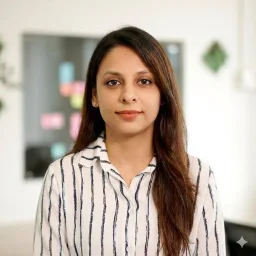
About the author
Lead - Company Secretarial, Compliance & Fundraise Advisory
Everything Manavi has writtenLinkedInThe next one
Get what we publish next, by email.
Working notes on raising, borrowing, protecting, growing and structuring capital in India. One email a week at most, and you can leave any time.
We use your address only to send this. See our privacy policy.
We store your address to send you these emails and nothing else. See our privacy policy.
Related reading


